TMT Full Form: What It Means and Why It Matters in 2026
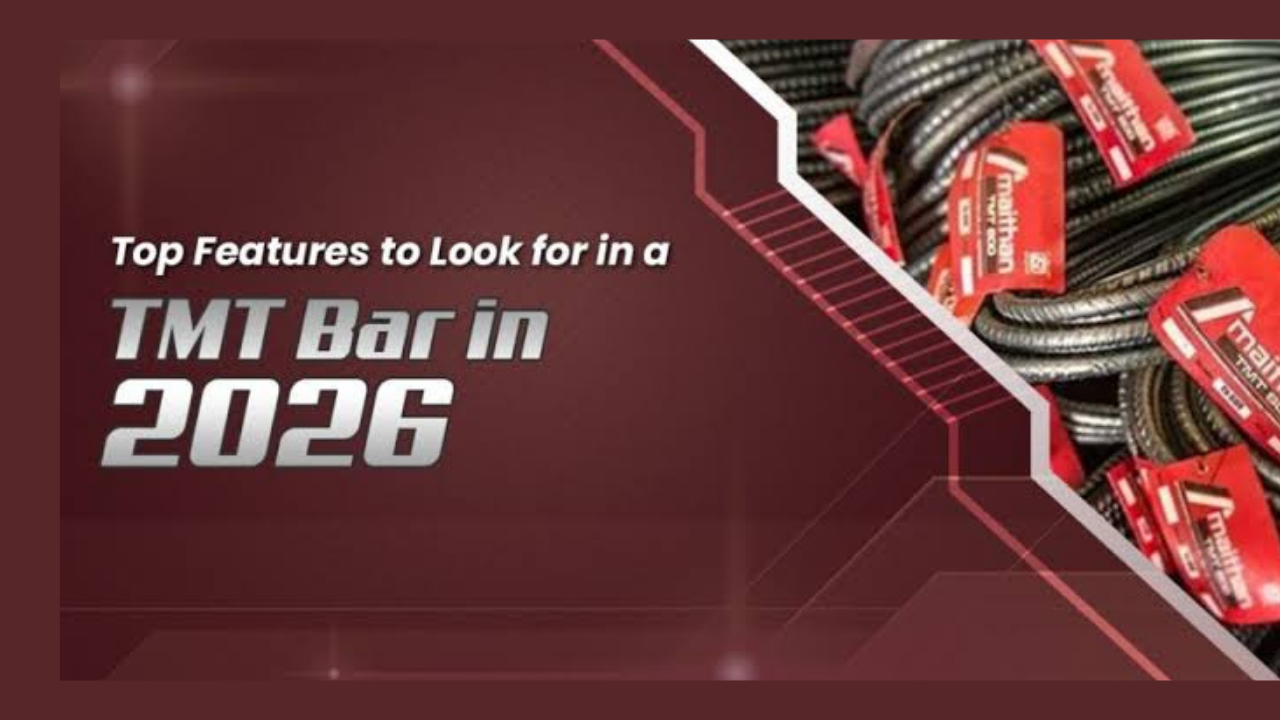
Let me tell you something we have all experienced. You are building a house or renovating your old one. The contractor shows up, looks at the blueprint, and says you need TMT bars for the pillars and roof. You nod like you know exactly what he means. But inside your head you are thinking, what on earth is TMT? Is it a brand? Is it a material? You pull out your phone later that night and type TMT full form into Google. That is how most people discover this term. If you are reading this, chances are you are in the same boat. Let me break it down for you in the simplest way possible.
What Exactly is TMT?
So what is this thing? TMT stands for Thermo Mechanically Treated. It is a type of steel bar used in construction. These bars go through a special manufacturing process where they are heated to very high temperatures and then rapidly cooled. This process gives the bars a tough outer layer and a softer inner core. That combination is what makes TMT bars so special.
But here is the thing. TMT has other meanings too depending on where you hear it. In the medical world, TMT can mean Treadmill Test. In the business world, it stands for Technology, Media, and Telecom. In astronomy, it refers to the Thirty Meter Telescope. There is even The Money Team in boxing. But when a builder, engineer, or homeowner in India talks about TMT, they almost always mean Thermo Mechanically Treated steel bars. That is the full form you are looking for if construction is your concern.
Which Industry Does TMT Serve Best?





Now here is the real question. Does TMT belong to construction, healthcare, or business?
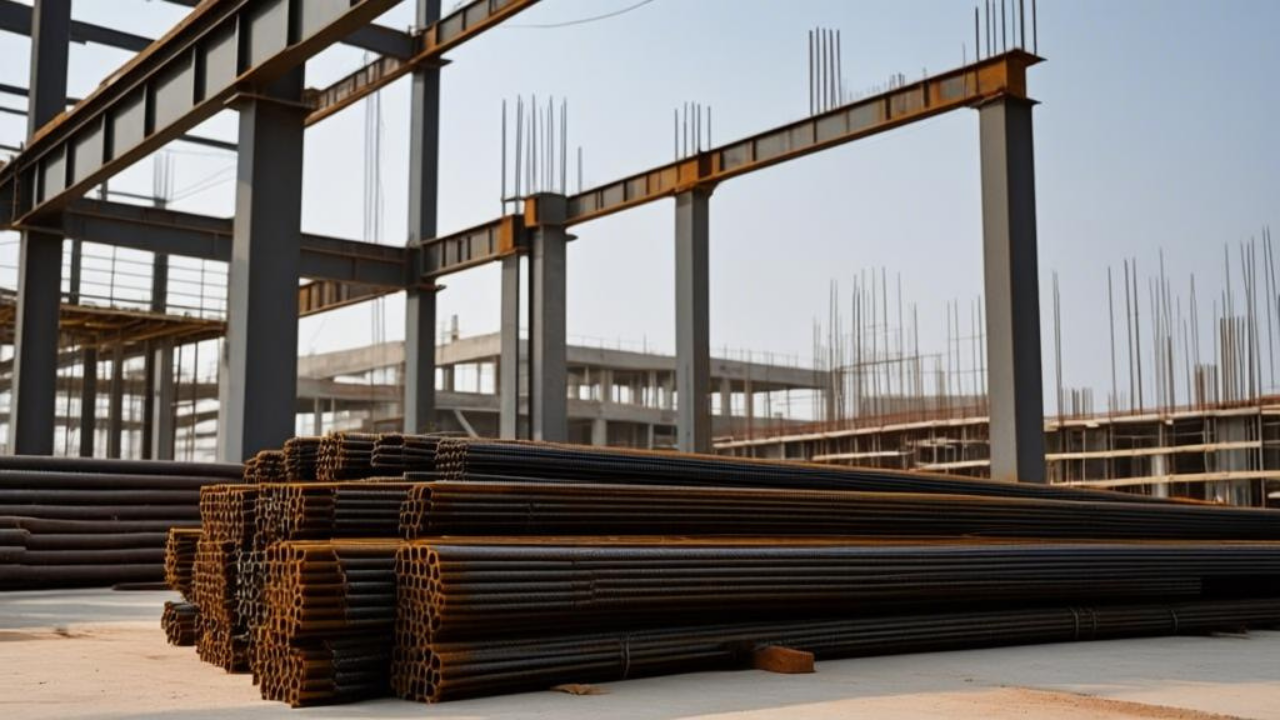
The honest answer is this. Construction is where TMT truly shines. Sure, the term pops up in hospitals and corporate meetings. You might hear a doctor mention TMT during a cardiac checkup. You might see TMT as a stock market sector. But if you ask anyone who actually works with their hands for a living, they will tell you straight up that TMT bars are all about building homes, bridges, dams, and high rises. When an architect designs a structure, TMT bars are often the first thing on their mind for reinforcement.
Medical and business uses of TMT are completely different things. They just happen to share the same letters. For construction workers, civil engineers, and home builders, TMT means one thing and one thing only. Strong steel that holds buildings together. If you are planning to build anything, TMT is probably the most important material you will buy after cement.
Read Also: Fidzholikohixy: All-in-One Tool to Boost Productivity and Team Collaboration
Why Do People Keep Coming Back to TMT Bars?
There are a few solid reasons why TMT bars have become the default choice in modern construction.
First, they are incredibly strong. The thermo mechanical treatment creates a hard exterior that can take serious load and pressure. At the same time, the softer core gives the bar flexibility. That means the bar can bend without breaking. In an earthquake or heavy storm, that flexibility can literally save a building from collapsing.
Second, they resist corrosion. The manufacturing process makes TMT bars much better at handling moisture and humidity compared to older steel types. If you live in a coastal area or a place with heavy rainfall, this matters a lot. Rust is the enemy of any building, and TMT bars fight it well.
Third, you get better bonding with concrete. The surface of TMT bars has special ribs and patterns. These help the concrete grip the steel tightly. When concrete and steel work together like best friends, the structure becomes way stronger.
Fourth, they are weldable. Older steel bars would lose strength when you welded them. TMT bars handle welding much better because they have low carbon content. This makes construction faster and safer.
Fifth, they are available everywhere. Walk into any hardware store in India and ask for TMT bars. They will show you multiple brands and grades. That availability makes life easy for builders.
How to Choose TMT Bars
Using TMT bars is not complicated, but choosing the right ones takes a little knowledge.
You walk into a store and the salesman starts throwing numbers at you. Fe 415, Fe 500, Fe 550, Fe 600. What do these mean? Simply put, these numbers tell you the yield strength of the bar. Fe 415 means the bar can handle 415 megapascals of stress before it starts deforming. Fe 500 handles 500, and so on.
For most home construction, Fe 500 is the sweet spot. It gives you excellent strength without being overkill. Fe 415 works fine for smaller projects. Fe 550 and Fe 600 are used in heavy infrastructure like bridges and industrial buildings.
Always look for the ISI mark or BIS certification on the bars. Reputed brands like Tata Tiscon, JSW Neosteel, SAIL, and Vizag Steel are safe bets. Do not just go for the cheapest option. Fake or substandard bars exist in the market, and they can put your entire building at risk.
The Safety and Quality Side
The market is full of local manufacturers who claim to sell TMT bars but do not follow proper standards. These bars might look the same on the outside, but they lack the proper chemical composition and mechanical properties. Using bad quality steel is like building your house on a weak foundation. It might look fine today, but it is a disaster waiting to happen.
Always ask for the test certificate. Check the weight per meter. Compare it with standard charts. If a deal looks too good to be true, it probably is. Cheap steel saves money today but can cost lives tomorrow.
My advice? Stick to well known brands. Ask your engineer for recommendations. Do not let the contractor alone decide where to buy the steel from. Visit the store yourself. Look at the markings. A little effort here goes a long way in keeping your family safe.
Alternatives to Think About
All this sounds good, but are there other options besides TMT bars?
Yes, there are. Older buildings used something called CTD bars or Cold Twisted Deformed bars. You might also hear about TOR steel or HYSD bars. These were the standard before TMT took over.
CTD bars are stronger than plain steel but they have problems. They corrode faster. They do not weld well. They lack the flexibility that TMT bars offer. TOR steel is basically a type of HYSD bar, and while it was good for its time, it cannot match TMT in overall performance.
Plain mild steel bars still exist, but they are too weak for modern construction. You would not use them for anything serious today.
So yes, alternatives exist. But honestly, TMT bars have replaced them for good reason. They are stronger, safer, more flexible, and longer lasting. Unless you are working on a very small project with zero budget constraints, TMT is the way to go.
Final Word
At the end of the day, TMT is popular for one simple reason. It gives builders and homeowners a reliable, strong, and flexible material to work with. Construction is clearly where TMT shines, even though the letters mean different things in other fields. The bars are easy to find, come in various grades, and do not ask you to compromise on safety.
But you have to be smart about it. Know what you are buying. Understand the grades. Check the certifications. Protect your investment and your family. And if you are ever confused, ask a structural engineer before making the final call.
Building a home is a big deal. Whether you use TMT bars from a premium brand or a budget option, the goal is the same. Create a structure that stands tall, handles nature’s surprises, and keeps everyone inside safe. Just make sure you are doing it with the right materials.
Read More: Bestautoxperts.com: A Complete Guide for Car Lovers