EPS Full Form: What It Means in the Stock Market and Why Every Investor Should Know It
Let me tell you a quick story. My uncle bought shares of a company back in 2019 because his friend told him it was a “good company.” He never looked at any numbers. He just trusted the tip. Three years later, the stock price had barely moved. My uncle was confused. “But it is a good company,” he kept saying. Then one day, a young broker at his bank asked him a simple question — “Uncle ji, did you check the EPS before buying?” My uncle blinked. “EPS? What is that?” That one missing piece of information cost him three years of sitting on dead money. And that is exactly why understanding the eps full form matters more than most people think.
What Does EPS Actually Mean?
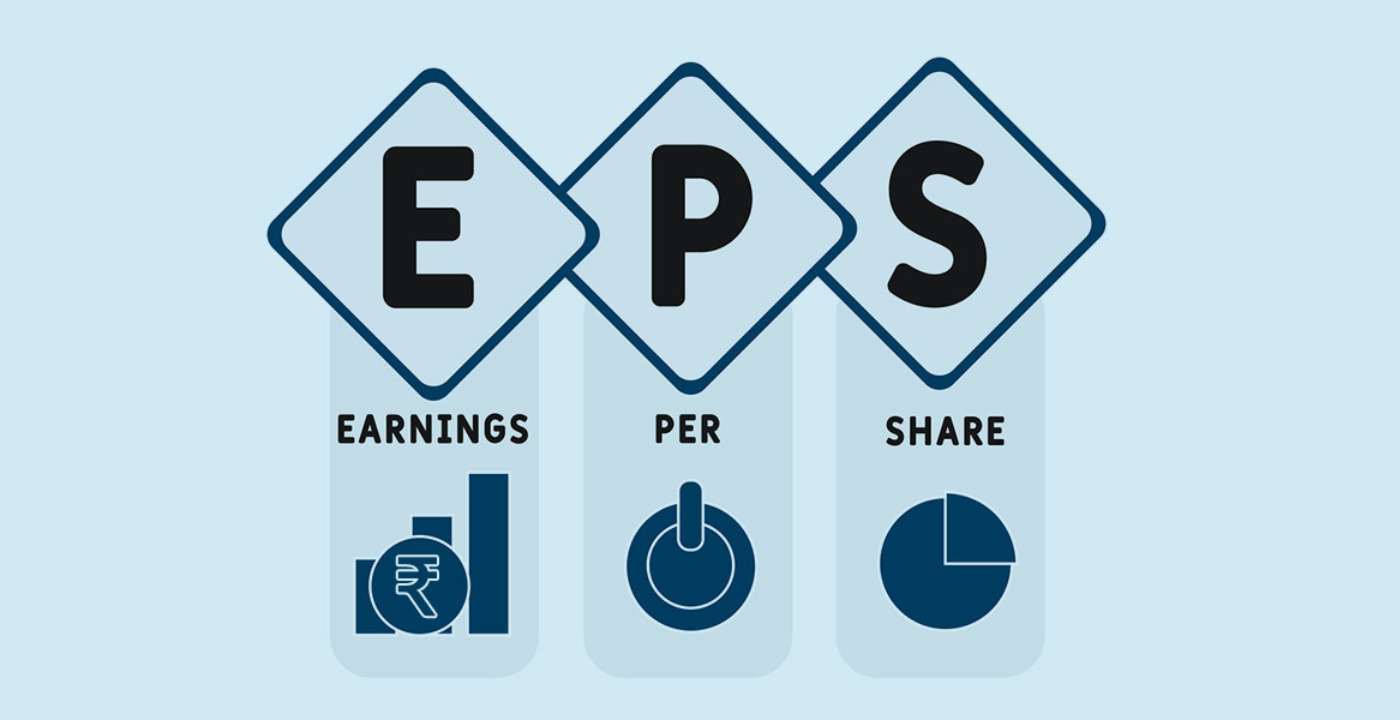
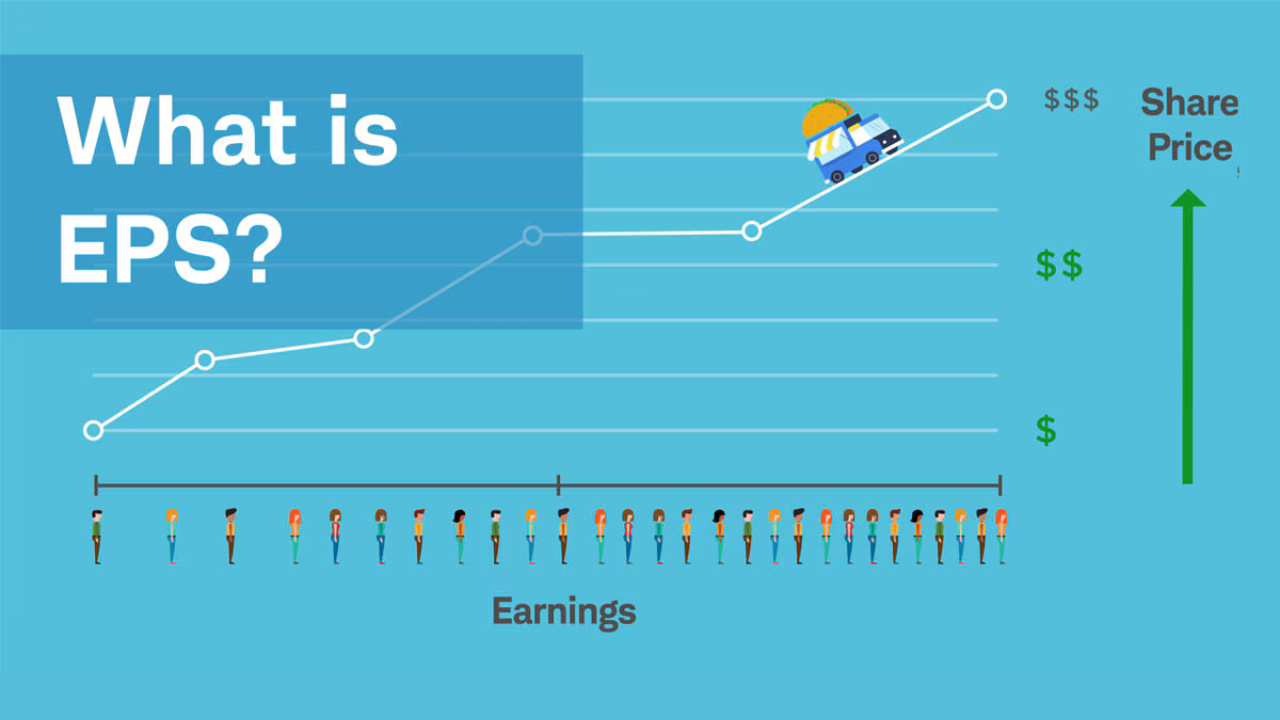
So let us break it down properly. EPS stands for Earnings Per Share. In the simplest words possible, it tells you how much profit a company has made for each share that exists. If a company earns ten lakh rupees in profit and has one lakh shares, the EPS is ten rupees per share. That is it. No complicated dictionary needed.
Now you might ask, why does this tiny number carry so much weight? Because the stock market runs on expectations, and EPS is one of the cleanest ways to measure whether a company is actually making money or just making noise. A company can have a fancy office, a celebrity CEO, and full-page newspaper ads. But if its EPS is shrinking quarter after quarter, something is wrong behind the curtains. On the flip side, a company with a boring name and zero media coverage but a steadily rising EPS might be the hidden gem you have been looking for.
How is EPS Calculated?






Let us look at how this number is born. The formula is straightforward. You take the company’s net income — that is the profit left after paying all expenses, taxes, and interest — then you subtract any preferred dividends. Preferred shareholders get paid first, so we remove their share. Whatever is left gets divided by the total number of outstanding common shares. So the formula looks like this: EPS equals Net Income minus Preferred Dividends, divided by Weighted Average Outstanding Shares. That weighted average part is important because companies keep issuing or buying back shares throughout the year. You cannot just use the number from January and call it a day.
Here is a small example to make it real. Imagine Company XYZ made ten lakh rupees in net profit this year. It paid two lakh rupees as preferred dividends. It has four lakh common shares floating in the market. So the EPS becomes eight lakh divided by four lakh, which equals two rupees per share. This means every single share earned two rupees of profit. Now if you are an investor, you can compare this with other companies in the same industry. If Company ABC in the same sector has an EPS of five rupees, you naturally start asking questions. Why is XYZ only making two? Is it a temporary problem or a deeper issue? That is the power of EPS. It forces you to ask better questions.
Different Types of EPS You Should Know
But here is where it gets interesting. Not all EPS numbers are created equal. There are actually different types, and smart investors know which one to look at.
Basic EPS is the simple version we just talked about. It uses actual shares that currently exist. Then there is Diluted EPS, which is like looking at the worst-case scenario. It assumes that all convertible securities — things like stock options, warrants, and convertible bonds — get turned into actual shares. If that happens, the profit gets divided among more shares, so the EPS drops. Diluted EPS is almost always lower than basic EPS, and many analysts prefer it because it shows the full picture.
There is also something called Adjusted EPS. Companies sometimes have one-time windfalls or one-time losses. Maybe they sold a factory and made an extra fifty lakh rupees. That is great, but it is not going to happen again next year. Adjusted EPS removes these unusual items so you can see the company’s true, ongoing profitability. Then there is Cash EPS, which looks at actual cash flow instead of accounting profit. A company can show profit on paper but have no cash in the bank. Cash EPS catches that problem early.
Read Also: Rox.com Products Catalog: What It Is and Why Sales Teams Use It
Why EPS Matters for Your Investments

Now let us talk about why this matters to you personally. If you are someone who invests in stocks or plans to start, EPS should be on your checklist every single time. It is not the only number you need, but it is one of the most honest ones. Companies can manipulate revenue by pushing sales into the next quarter. They can play with inventory numbers. They can dress up their balance sheet with clever accounting. But EPS is harder to fake because it sits at the bottom of the income statement. It is the final score after everything else is counted.
EPS also feeds directly into another famous ratio — the Price-to-Earnings ratio, or P/E ratio. You take the current market price of one share and divide it by the EPS. If a share costs one hundred rupees and the EPS is ten rupees, the P/E ratio is ten. This tells you how much investors are willing to pay for every rupee of earnings. A very high P/E might mean the stock is overpriced. A very low P/E might mean it is undervalued, or it might mean the company is in trouble. You never look at P/E in isolation, but without EPS, you cannot even calculate it.
The Limitations of EPS
That said, EPS has its flaws too. A company can artificially boost its EPS by buying back its own shares. Fewer shares in the market means the same profit gets divided among fewer people, so EPS goes up even if actual profit did not grow. Some companies also change their accounting policies to make earnings look better for a quarter or two. That is why experienced investors never trust EPS alone. They pair it with revenue growth, debt levels, cash flow, and industry trends. EPS is like one ingredient in a recipe. You need the full kitchen to cook a good meal.
How to Use EPS the Right Way
Another thing to remember is that a “good” EPS depends entirely on context. A small IT company with an EPS of five rupees might be doing brilliantly. A massive multinational with the same EPS of five rupees might be underperforming badly. You always compare EPS within the same industry, among similar-sized companies, and over multiple years. One good quarter does not make a company great. One bad quarter does not make it terrible. Look at the trend. Is EPS going up steadily? Is it bouncing around like a cricket ball? Is it falling slowly like a leaking balloon? The pattern tells you more than any single number.
So the next time someone tells you about a “hot stock,” do not just nod and open your trading app. Ask them one simple question — “What is the EPS?” If they cannot answer, or if they wave it off as unimportant, you already know more than they do. The eps full form is not just a piece of trivia for exams. It is a real tool that real investors use to separate good companies from bad ones, real profits from fake hype, and smart money from blind gambling.
At the end of the day, the stock market rewards people who do their homework. And EPS is one of the first chapters of that homework. It is simple enough for a beginner to understand and important enough for a professional to study deeply. So whether you are buying your first share or your five hundredth, make friends with this little number. It might just save you from the kind of mistake my uncle made — sitting on a “good company” for three years while his money went nowhere.
Final Word
To make informed stock marketplace choices, it is crucial to comprehend EPS or Earnings Per Share. It provides an easy-to-comprehend view of a company’s profitability on a per-share basis, allowing for better comparison between companies and industries. From novice investors to seasoned traders, tracking EPS trends is a useful practice to assess the financial condition and identify potential growth areas of a stock.
But you can never look at EPS as an isolated entity. Use in conjunction with other metrics such as the P/E ratio, revenue growth and cash flow to create a full picture before investing. In doing so, you arm yourself with the clarity and confidence to make smart investments in the markets and gradually develop a better portfolio.
EPS full form is Earnings Per Share which is an important stock market indicator that reveals the profit generated by a company per share. Discover its formula, types & why investors use it.
Read More: UIIC Agent Portal: Login, Registration & Services Guide