
Uzbekistan National Football Team Players: Squad, Rankings, and Famous Uzbeks in Football
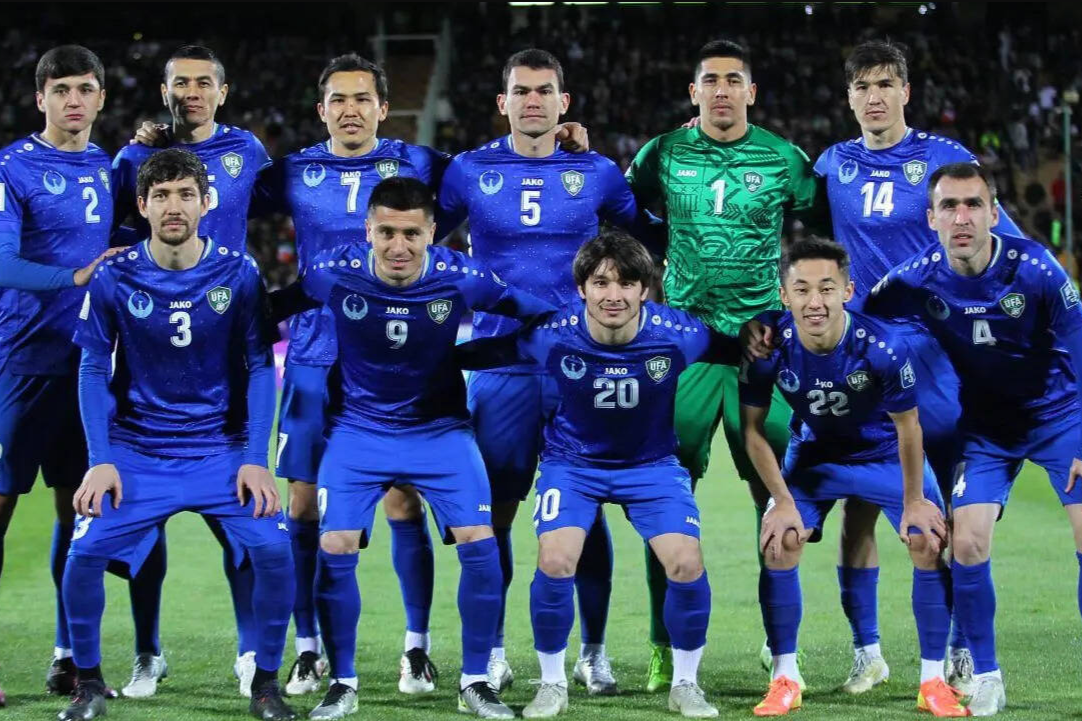
Football in Uzbekistan carries a particular electricity. It’s the sport that cuts across every demographic, every region, every generation — the common language spoken equally in Tashkent apartments and Fergana village squares. While combat sports define Uzbekistan’s international athletic reputation, football owns the country’s everyday sporting heart in ways that no other discipline approaches.
Dbbet follows Uzbekistan’s football development as one of Central Asia’s most compelling sporting narratives — a national program building genuine continental competitiveness through systematic development investment and a growing generation of technically sophisticated players. The uzbekistan national football team players representing the white wolves carry national ambitions that are becoming increasingly realistic rather than merely aspirational.
The White Wolves Identity
Uzbekistan’s national team earned the White Wolves nickname — a designation reflecting the fierce competitive spirit and collective hunting mentality that the team increasingly demonstrates in Asian continental competition. Nicknames matter in football culture. They compress identity into two words that supporters carry into stadiums and broadcast through social media with genuine emotional investment.
The White Wolves identity has strengthened meaningfully alongside improving competitive results — teams that win consistently develop authentic identities that losing sides cannot manufacture regardless of branding effort. Uzbekistan football’s growing continental credibility has given the White Wolves designation genuine competitive weight behind its aesthetic appeal.
AFC Rankings and Continental Position 📊
The uzbekistan football ranking within Asian Football Confederation competition reflects consistent improvement across recent cycles. Currently positioned among Asia’s stronger football nations, Uzbekistan has pushed into territory that challenges the continent’s traditional powerhouses — Japan, South Korea, Iran, and Australia — more seriously than previous generations managed.
FIFA world rankings place Uzbekistan respectably within global football’s broader hierarchy — a position reflecting genuine competitive development rather than favorable scheduling or regional isolation from serious competition. Rankings improvement correlates with coaching quality, player development, and international competitive exposure combining more effectively than any single factor delivers independently.
Key Players Defining the Squad 🌟
Understanding uzbekistan national football team players requires examining the individuals whose technical qualities and competitive performances shape what the national team can actually attempt tactically.
Eldor Shomurodov represents Uzbekistan’s most internationally prominent footballing export — a striker whose Serie A experience with Roma and Genoa brought Uzbek football into European professional football conversation in ways that domestic league success alone couldn’t achieve. His physical presence combined with technical finishing quality creates the kind of complete center-forward profile that modern football demands from its most advanced attackers.
Otabek Shukurov provides the defensive foundation that Uzbekistan’s competitive results depend upon — a technically accomplished defender whose reading of dangerous situations and composure under pressure reflect genuine top-level development rather than physical gifts alone sustaining performance against sophisticated opposition.
Uzbekistan FC and Club Football
Pakhtakor Tashkent remains Uzbekistan’s most historically significant club — uzbekistan fc culture centered around a team whose name carries decades of national sporting memory including the tragic 1979 air disaster that transformed the club into something beyond football alone.
The Super League provides domestic competitive infrastructure that develops players for national team consideration — clubs in Tashkent, Namangan, Bukhara, and Fergana collectively creating competition depth that feeds the national squad pipeline. Domestic league quality has improved meaningfully — attracting foreign players whose presence raises competitive standards that Uzbek players must meet consistently to maintain selection.
Uzbekistan Soccer Players Abroad 🌍
The generation of uzbekistan soccer players currently competing in European and Asian professional leagues represents the clearest indicator of how completely Uzbek football’s development trajectory has shifted toward genuine international competitiveness.
Beyond Shomurodov’s Italian experience, Uzbek players have appeared in Russian, South Korean, Japanese, and Chinese professional leagues — accumulating competitive experience against sophisticated opposition that purely domestic development cannot replicate. This international diaspora of professional players creates a national squad drawing from genuinely diverse competitive environments — something that previous Uzbek football generations simply didn’t have available.
Each player succeeding abroad validates the development system producing them and simultaneously raises the aspirational ceiling for younger players currently moving through academy structures.
Youth Development: The Pipeline 🎯
Uzbekistan’s football future is being determined in academies operating across the country’s major cities today. Youth development investment — structured coaching programs, age-group competition structures, international youth tournament participation — is creating generations of technically superior players compared to those produced by less systematic previous approaches.
The under-23 and under-20 national teams have demonstrated competitive quality in Asian youth tournaments that senior team observers track carefully — identifying players whose development trajectories suggest genuine national team capability within realistic timelines rather than requiring exceptional individual breakthrough.
Famous Uzbeks in Football History
Examining famous uzbeks in football reveals a competitive history deeper than contemporary international audiences typically recognize. Andriy Fyodorov, Mirjalol Qosimov, and Server Djeparov each represented different eras of Uzbek football development — players whose careers established the competitive tradition that current generations inherit and build upon.
Djeparov’s achievement as multiple Asian Football Confederation Player of the Year winner brought specific international recognition to Uzbek football during his peak years — demonstrating that Central Asian players could reach genuine continental excellence rather than merely regional competitiveness. His legacy within Uzbek football culture continues influencing how the sport’s possibilities are understood by younger players today.
Asian Cup and World Cup Ambitions
Uzbekistan’s World Cup qualification campaigns have generated increasing competitive seriousness — the gap between current capability and actual qualification narrowing across consecutive campaign cycles in ways that reflect genuine developmental progress rather than favorable draw fortune.
Asian Cup participation has provided the high-stakes continental tournament experience that competitive development requires beyond regular qualification matches. Performing consistently in knockout tournament formats — managing the specific psychological demands that elimination competition places on squad preparation and individual mental resilience — builds competitive character that regular qualifying cycles alone cannot develop equivalently.
The Coaching Evolution
National team coaching quality has improved alongside player development — tactical sophistication increasing as Uzbekistan’s football federation invests in coaching approaches that match the improving player quality moving through the system. Modern tactical frameworks, data-informed preparation, and international coaching knowledge brought through foreign appointments have elevated what the national team attempts strategically.
The coaching philosophy increasingly reflects Uzbekistan’s specific player profile — technically improving footballers with genuine athletic foundations whose best football emerges from organized, purposeful structures rather than purely reactive approaches that previous coaching generations sometimes defaulted toward under competitive pressure.
What the Future Holds
Uzbekistan’s football trajectory points toward continued and potentially significant competitive advancement within Asian football’s hierarchy. The players currently developing through the system are technically superior to previous generations. The coaching infrastructure is more sophisticated. The international competitive exposure is broader and more consistent.
White Wolves supporters following the national team today are watching a program at genuine inflection point — results improving, belief building, and a generation of uzbekistan national football team players developing the complete qualities that serious World Cup qualification campaigns require. The story being written now will define Uzbek football’s reputation for the decade ahead.