10 Best Places to See Bioluminescence Around the World
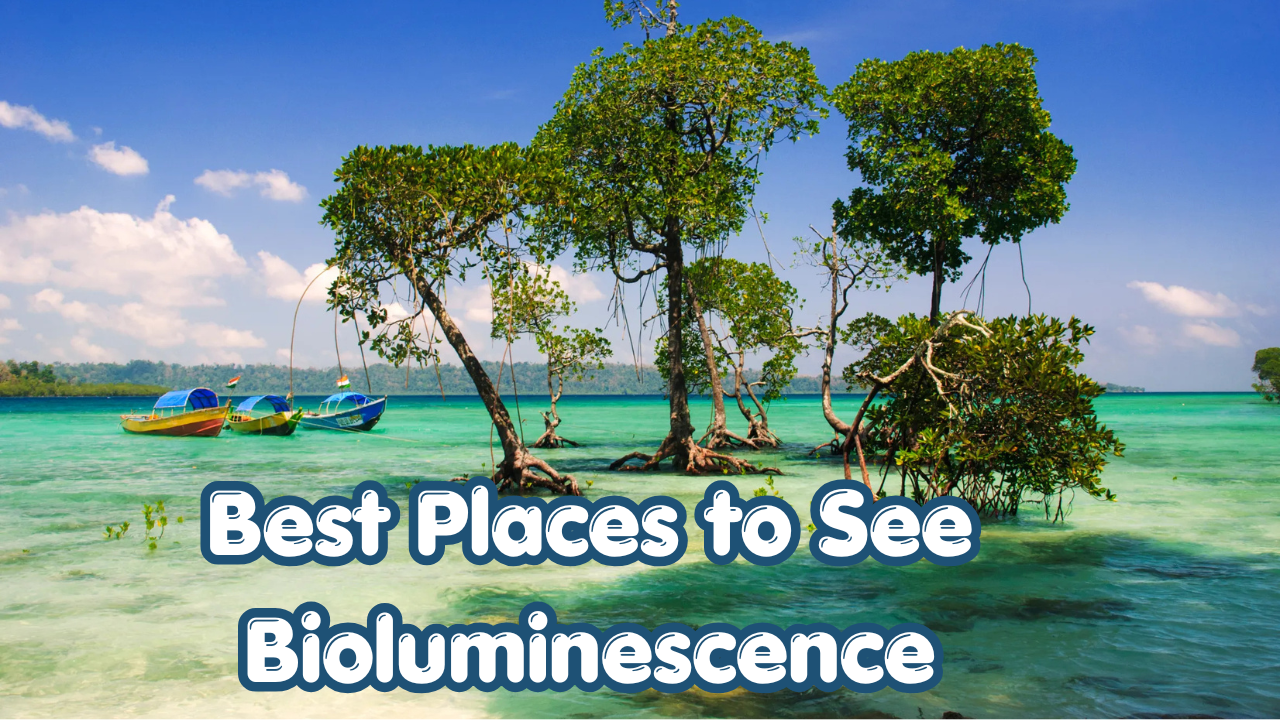
Glassy water in the dark is one of the more enchanting natural wonders. In the world, there are certain bays, lagoons and beaches that glow at night, due to the presence of small creatures that respond to any motion by emitting a soft electric blue glow.
These are just some of the best places on earth to see bioluminescence in the form of a glowing bay, sparkling water, or even fireflies of the sea that drift ashore. The only thing to remember is that when it’s dark and there’s no moon, and the water is calm, it’s the brightest show.
Kayak Through a Glowing Bay at Mosquito Bay, Puerto Rico
Vieques has the brightest bioluminescent bay in the world, called “Mosquito Bay.” As soon as the water is disturbed by a paddle or fish, millions of dinoflagellates glow, creating glowing trails in the water behind the kayak.
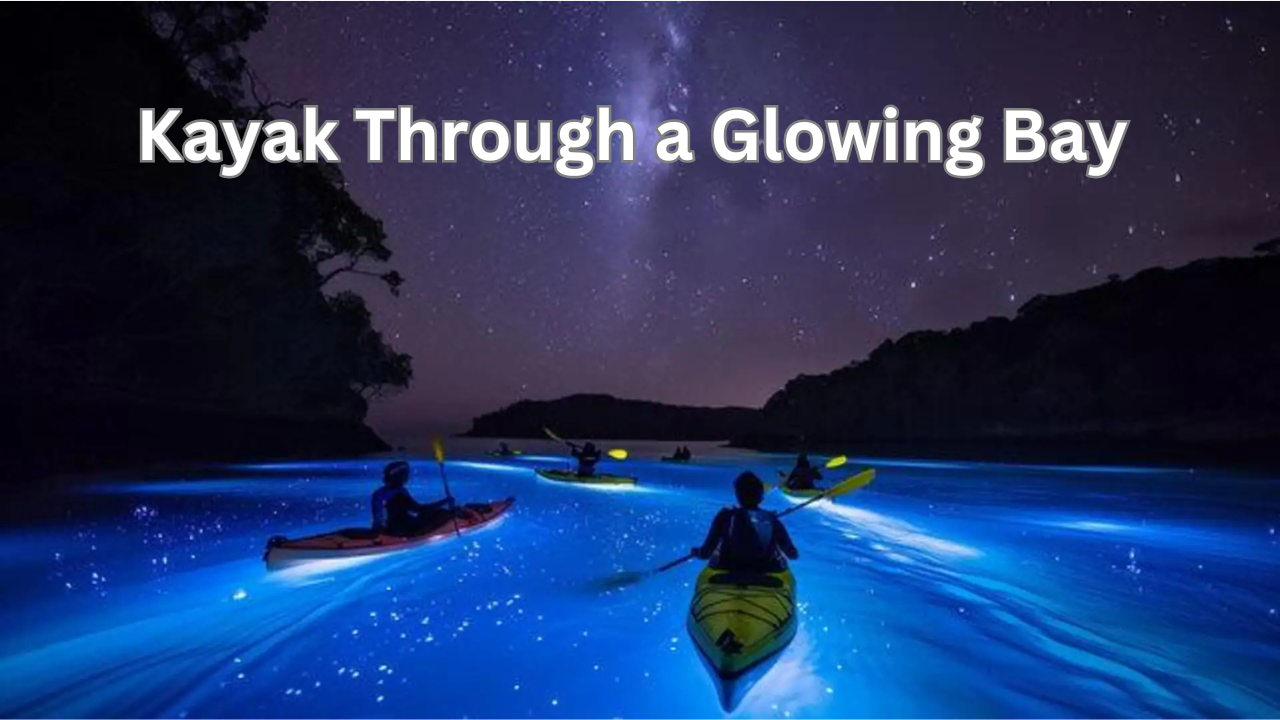






Motorboats and swimming are prohibited in the bay due to the fragility of the bay’s ecosystem and only a guided tour on a night kayak will provide the opportunity to enjoy the bay. Visit on a new moon night for the best chance of dark skies and the most spectacular glow and remember that local operators have restrictions on numbers to preserve the bay.
Swim With Glowing Plankton at Luminous Lagoon, Jamaica
One of the few bioluminescent places in the world where swimming is encouraged is the Luminous Lagoon near Falmouth, Jamaica. The warm brackish water combined with the sea provides the perfect environment for glowing microorganisms and often guests are invited to enter and trace their outline with blue light. The lighting is on at night, and is best on dark, clear nights. For travellers looking for an interactive experience rather than just a kayak, it’s a great choice.
See Firefly Light Up Toyama Bay, Japan
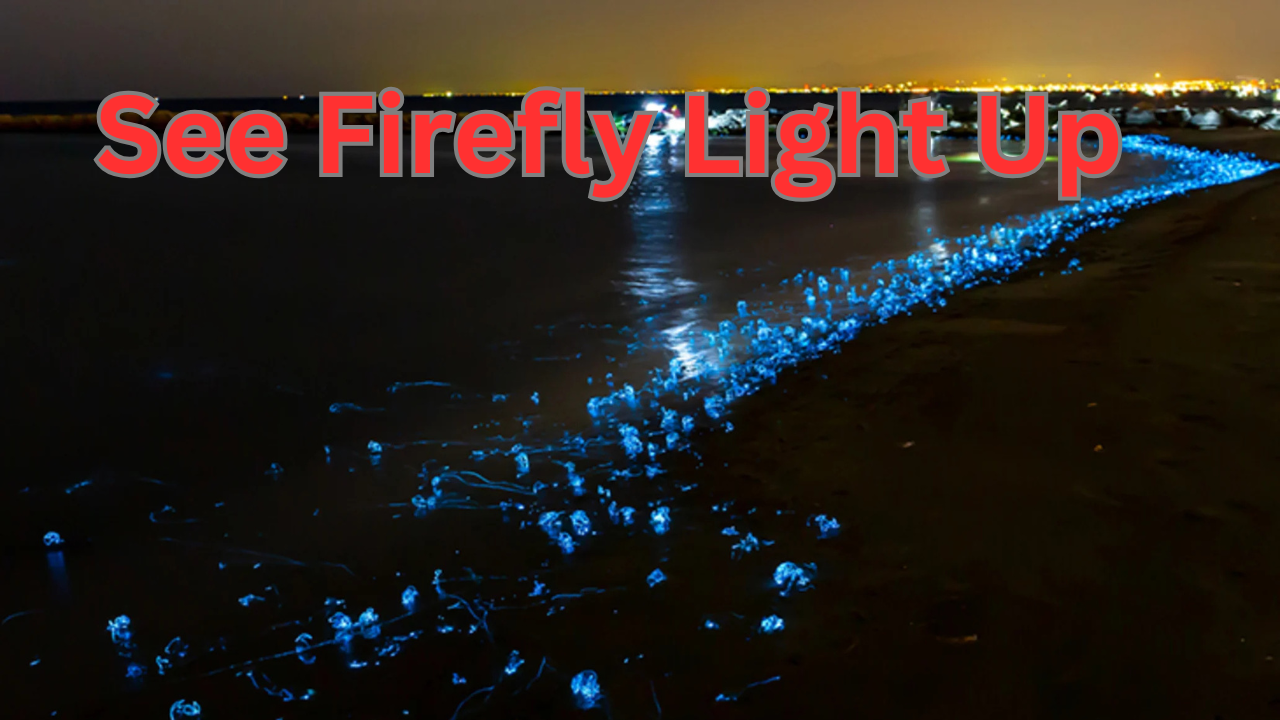
Each spring in Japan, Toyama Bay hosts a different kind of show. The Firefly squid emerge from the deep water to spawn near the surface, and emit blue-green light, creating a shimmering effect in the bay. The season is approximately March-June and early morning boat trips provide the best sightings of squid, which concentrate close to shore. Protected, and several coastal towns host festivals, a cultural event as well as a natural one.
See a Blue Wave at Vaadhoo Island, Maldives
One of the world’s most photographed bioluminescent shows is at Vaadhoo Island’s “Sea of Stars. Phytoplankton blooms in the summer months, when weather is warm and wet, illuminating waves that break on the shoreline in electric blue. There are lots of resort islands around that allow you to enter the beach at night just for this reason. The glow is related to plankton levels and tides, so it is advisable to find out with your resort or one of the local guides whether or not to set expectations.
Spot Glowing Waves at San Diego, California
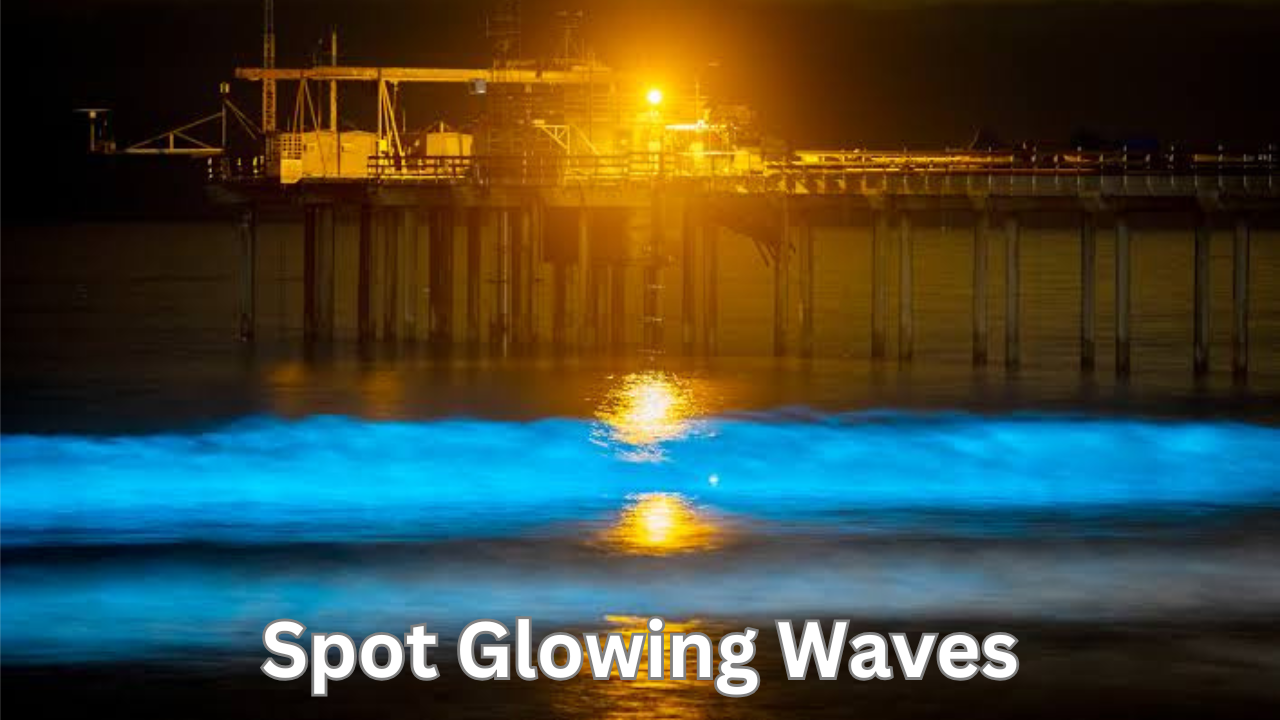
When a “red tide” of bioluminescent algae arrives on San Diego’s coast, the city occasionally is treated to a surprise light show, usually in late summer or early fall. At certain beaches, such as La Jolla Shores and Torrey Pines, waves at night can be a bright, blue attraction for surfers and photographers. This bloom is not as predictable as other destinations, and can show up with little warning, so it’s best to follow local marine reports or surf forecasts to see if this bloom shows up.
Read Also: Lapzoo Com Review: Is It a Reliable Tech Site?
Explore Glow Worm Caves in Waitomo, New Zealand
Waitomo has another type of glow. Thousands of glow worms attach to the ceiling of a limestone cave underground, and as you float through the ceiling on a boat tour, you get the sensation of a starry sky. However, the structure is a year-round draw and remains unaffected by the moon phase or tide, and thus one of the more reliable entries on this list. These quiet cool caves are also quite different from experiences on the beach.
Find Hidden Coves at Gippsland Lakes, Australia
The lesser known bioluminescent hotspot in Victoria’s Gippsland Lakes region is where paddles or walking can create glowing water, which can be seen at night on the shoreline. Algal blooms are the key to the phenomenon, which generally occurs during the warm season, and are usually monitored live by locals and tour operators. A more off-the-beaten-path and less flashy alternative to the more popular glowing bays that is perfect for travellers who want to explore in a small group or solo.
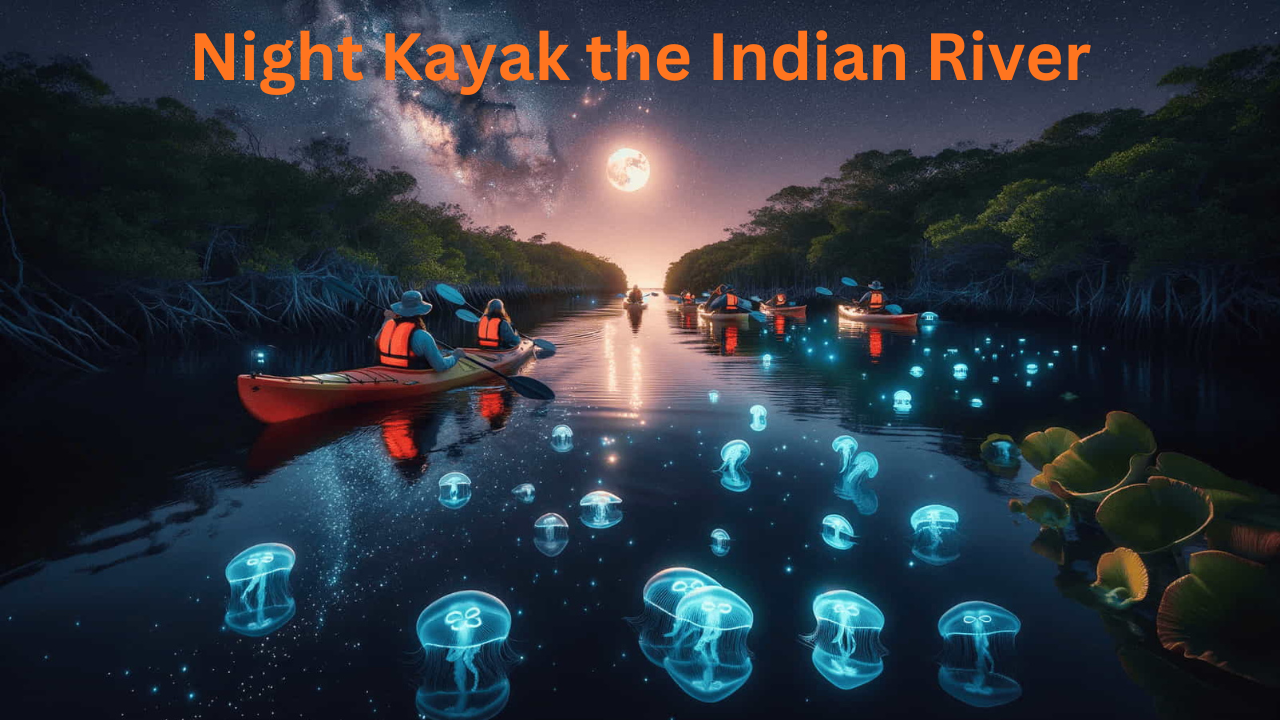
Night Kayak the Indian River Lagoon, Florida
In the continental United States, guided night kayak tours in the Indian River Lagoon at Merritt Island, Florida are offered for the period of peak bioluminescence, typically from late spring through summer. The conditions of warm water and little light pollution are conducive to the glow. A handy choice for East Coasters who don’t wish to make the long journey to the Caribbean or Pacific for the experience.
Chase the Glow at Jervis Bay, Australia
Jervis Bay is a few hours south of Sydney, and is famous for its spectacular displays of sapphire blue waves, often coinciding with warm weather. Visitors can sometimes see the light from the beach at night and the combination of white-sand coves and the serene camping areas make it a great addition to the area. Due to seasonal and weather dependent nature of the bloom, checking local community pages for recent sightings before visiting can increase chances of catching it.
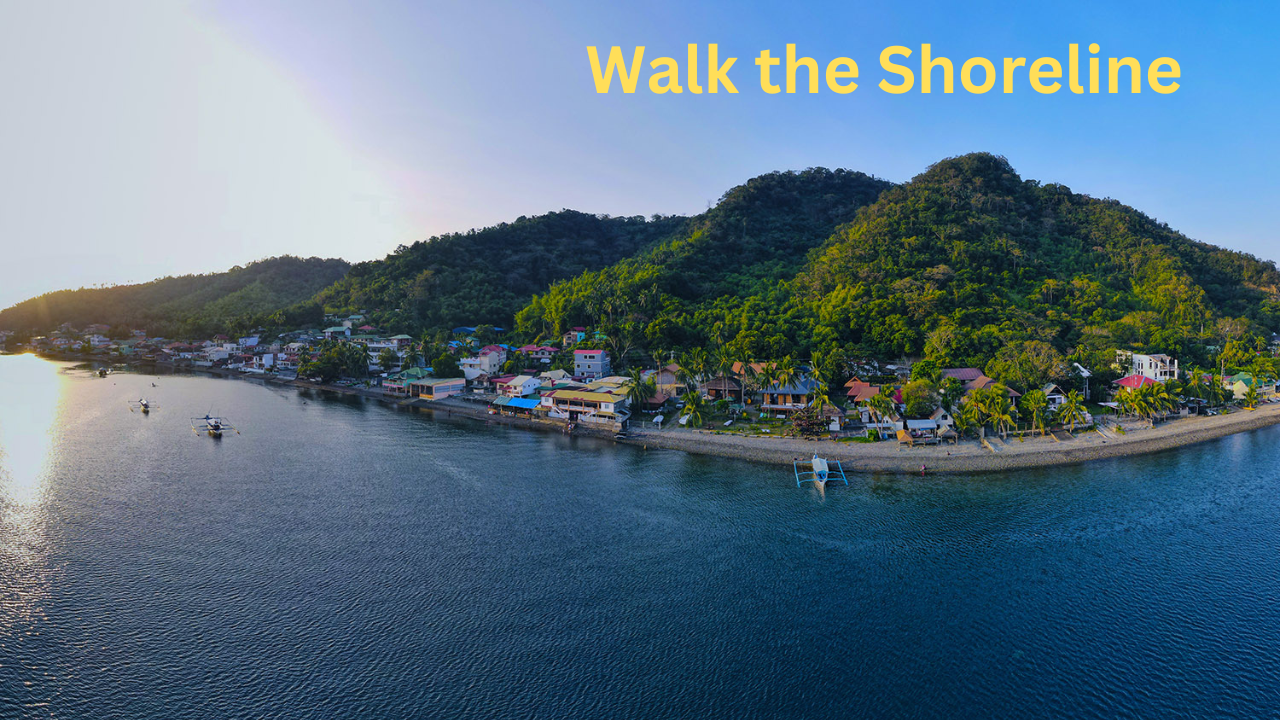
Walk the Shoreline at Anilao, Philippines
Batangas’ Anilao is also a well-known diving site that is also a popular spot at night thanks to its bioluminescent plankton blooms. At night, when lighting is low, one can see the water glowing as one snorkels or wades through the shallows, and there are now a number of dive resorts operating dedicated night snorkeling trips that are centered on it. It’s a simple extension for people who have already been in the area to experience the renowned muck diving and coral reefs.
Quick Comparison: Bioluminescence Destinations at a Glance
| Destination | Best Time to Visit | Viewing Method | Swimmable? |
| Mosquito Bay, Puerto Rico | Year-round, new moon | Kayak tour | No |
| Luminous Lagoon, Jamaica | Year-round, dark nights | Boat tour + swim | Yes |
| Toyama Bay, Japan | March–June | Boat tour | No |
| Vaadhoo Island, Maldives | Warmer, wetter months | Beach walk | Yes |
| San Diego, California | Late summer–fall (unpredictable) | Beach/surf | Yes, check advisories |
| Waitomo Caves, New Zealand | Year-round | Guided cave tour | No |
| Indian River Lagoon, Florida | Late spring–summer | Kayak tour | No |
Make a Glow in the Dark Plan
The ideal areas for bioluminescent display range from kayak-only bays to swimmable lagoons and seasonal plankton blooms, and are also located in very different climates and coastlines. Before you book, review the moon calendar, research the seasons for your travel destination and verify if a guided tour is needed. With a little forethought, you can capture nature’s light show at its peak.
FAQs
1.Why is water bioluminescent?
Bioluminescence is typically generated by tiny plankton known as dinoflagellates or bacteria and other marine life.
2.What is the best time of year to see bioluminescence?
The strength and visibility of the glow varies by site, but is generally strongest and most visible during the warmer months, when nights are dark and moonless.
3.Is it safe to swim in bioluminescent water?
Swimming is encouraged in many places, such as Luminous Lagoon in Jamaica. Some places, like Mosquito Bay in Puerto Rico, have even closed swimming.
4.Is there a need for a tour guide to see bioluminescence?
Guided kayak or boat tours usually enhance safety, access to protected areas, and your chances of seeing the glow at its best, but not all the time.
5.Is it possible to capture bioluminescence with a cell phone?
It’s tough. Most phone cameras aren’t sensitive enough to capture the glow well so a camera with long exposure is required.
Read More: UIIC Agent Portal: Login, Registration & Services Guide