Mock Drill Meaning: Definition, Purpose and Types Explained
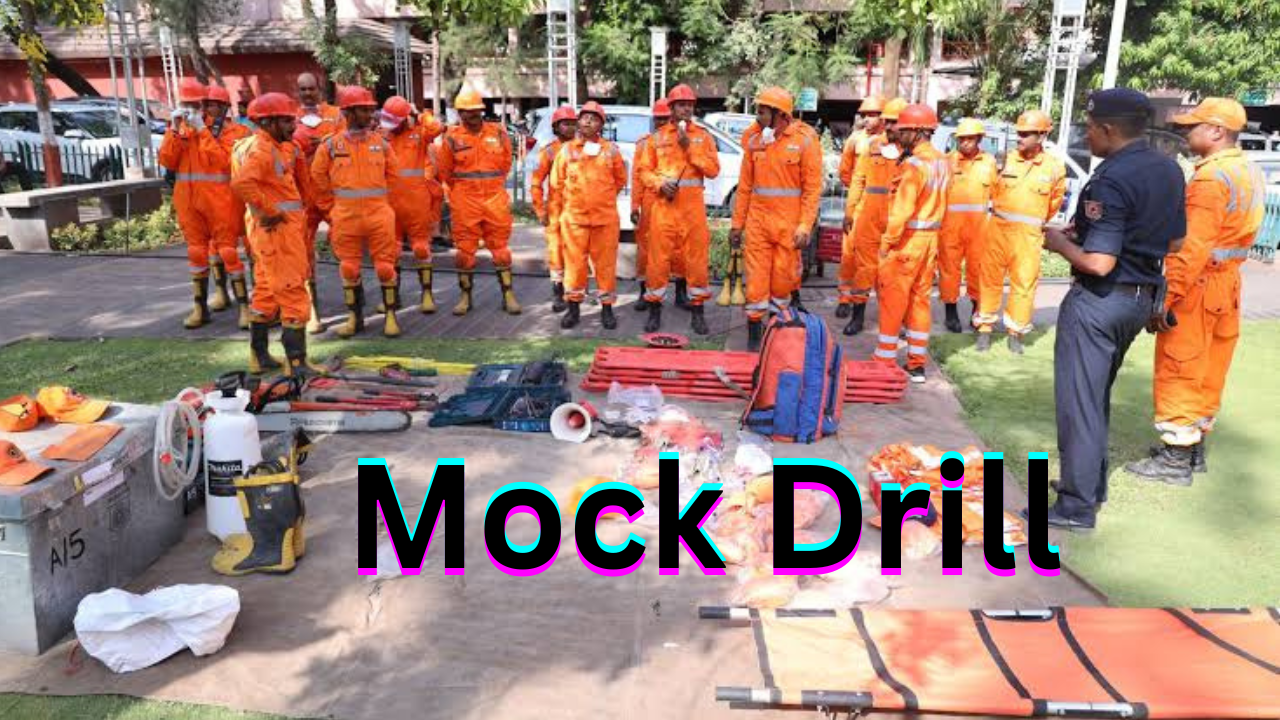
When emergencies strike, they aren’t always predictable, and preparing is better than reacting. The word ‘mock’ is just a word to describe a practice exercise that is planned and undertaken to simulate what happens in a genuine emergency and to prepare the participants to respond appropriately and calmly.
These drills are also used in schools, offices, hospitals, and government agencies to help test safety plans, to find out what areas need to be improved and to help increase the confidence of the people who practice the drills.
This article explains the meaning of a mock drill, why it’s important, the various types of mocks that are used in different industries, and how to effectively plan and execute a mock.
What Is a Mock Drill Meaning?
The mock drill meaning is essentially a rehearsal of a crisis situation, whether it be a fire, an earthquake, a security related emergency or a medical crisis, in a controlled environment. There is no real danger in a mock drill as opposed to a real emergency. Instead, the participants follow predetermined procedures as if in a real evacuation, so they can practice evacuation routes, safety protocols, and communication procedures.




The term was introduced during military and safety training when it was necessary to be able to respond quickly and correctly under pressure, the term was used repeatedly. Eventually, this idea was transferred to schools, corporate offices, hospitals, and public facilities, and became a common component of disaster preparation and safety at work all over the world.
What is the Purpose of Mock Drills?
Mock drills have a broader objective than just a checklist. They are valuable tools for minimizing panic, enhancing reaction time, and identifying weaknesses in the current safety system before they can become an expensive problem in case of an emergency.
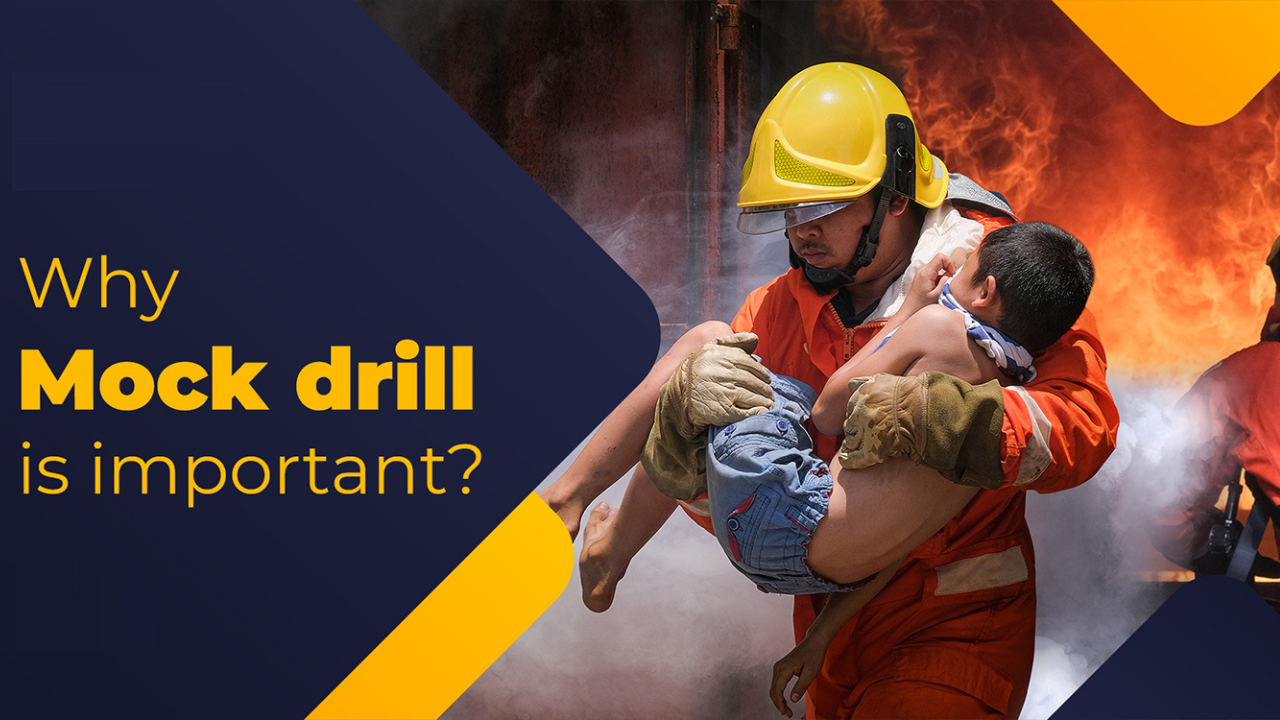
Here are a few reasons why they are important:
- Enhances preparedness: takes part in preparing for emergencies, so less likely to freeze or panic in an emergency.
- Test response plans: Organizations can assess their current emergency plans to determine if they are feasible and effective.
- Recognizes gaps: When drilling, it will often find that exits are blocked, alarms are not working properly, signs are unclear, and/or roles are not defined.
- Develops muscle memory: Repetition helps people to have an instinctual response instead of needing to think through each step in the event of a crisis.
Even if everyone knows w hat to do and has a well-documented emergency plan, it can be unsuccessful if the emergency is not drilled.
Read Also: Application for Sick Leave: Some Best Formats in 2026
Types of Mock Drills
Mock exercises are customized to each environment in order to prepare for the risks that are specific to that environment. The most frequently mentioned types of these are listed below, and they are carried out in many institutions.
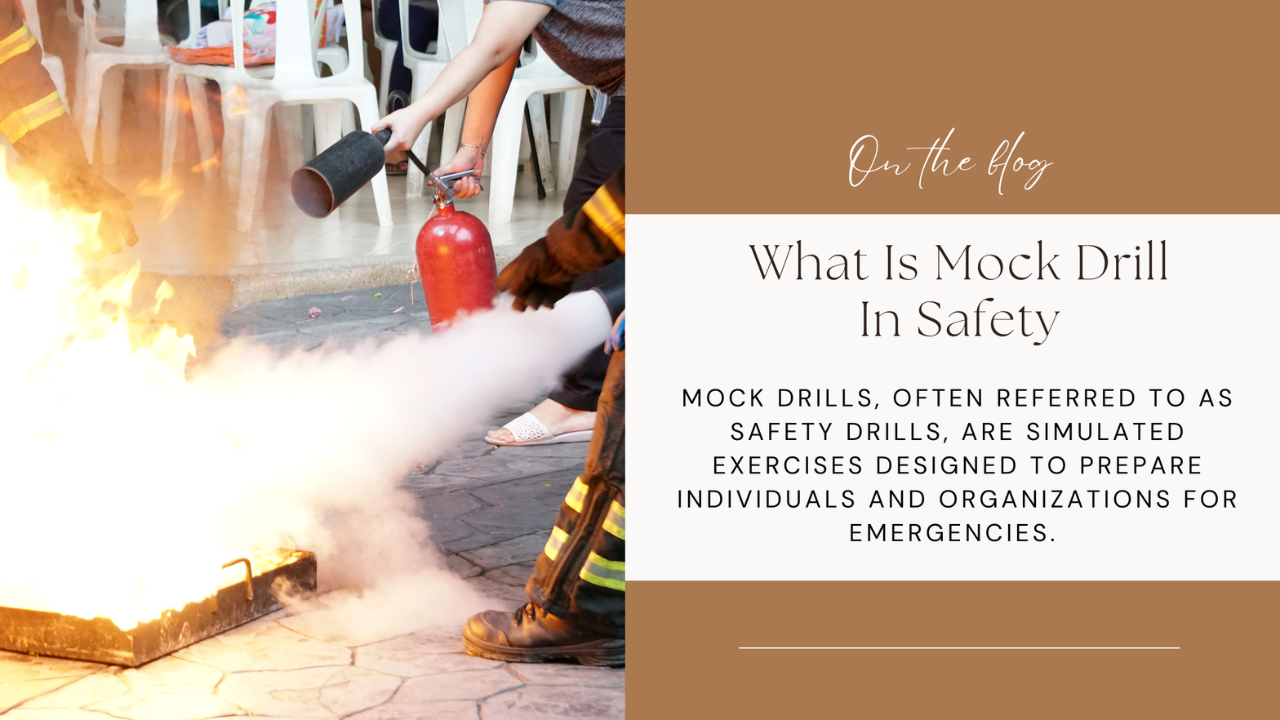
Fire Drill
A fire drill is one of the most popular drills; it teaches participants how to evacuate a building in a timely and safe manner at the sound of a fire alarm. Usually contains specific exit routes, assembly areas, and headcounting details.
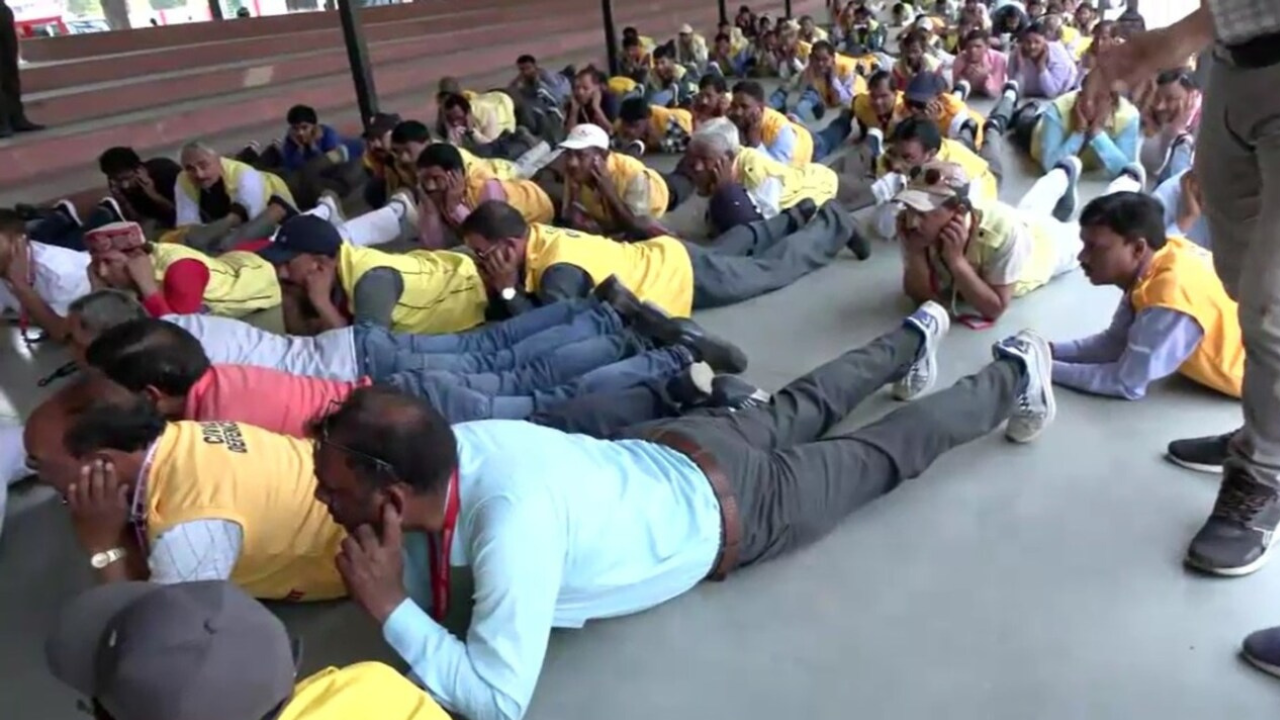
Earthquake Drill
Earthquake drills are commonly done in earthquake prone areas and include the “drop, cover, and hold on” method and safe evacuation after the shaking has ended.
Evacuation Drill
Evacuation drills are a wider training than emergency response drills, and they train individuals to evacuate a building or area in an orderly fashion during any emergency, including a fire or earthquake.
Security or Lockdown Drill
Lockdown drills are typically conducted in schools and offices to train individuals on how to react to an emergency like an intruder or an active security incident, and to lock down the room and stay out of sight.
Workplace Safety Drill
Special drills are sometimes used by industries that work with hazardous materials, equipment or chemicals to train employees for emergencies such as equipment failure, spills or gas leaks.
Who Conducts Mock Drills?
Mock drills are not only relevant to one type of institution, but are applicable almost anywhere people are crowded together.
- School drills are undertaken to keep pupils and staff safe, sometimes as required by a Local Education Authority.
- Offices and corporate buildings run fire and evacuation drills to comply with workplace safety regulations.
- Patient safety is an added layer of complexity, so hospitals conduct drills for situations such as a fire outbreak, a mass casualty incident or equipment failure.
- Major drills with various government or disaster management agencies are held with more than one department, including fire, police and medical teams.
All of these groups design their drills around the risks that are unique to their environment.
How Is a Mock Drill Conducted? (Step-by-Step)
A successful mock drill is not random, it is done in a structured way so it is of real value.
- Planning and scenario design: Organizers decide what type of emergency to simulate and outline the objectives of the drill.
- Participants briefed before drill: Participants informed before the drill of what the drill is (unless it is an unannounced drill to test the readiness in real time).
- Execution: The drill is conducted as though it were an actual emergency, and participants perform the drill in a step-by-step manner following the safety procedures.
- Debrief/Feedback: Debriefing and feedback following the drill focusing on what went well and areas for improvement.
- Improvement action plan: After debriefing, organizations fine-tune safety measures, resolve identified issues and plan for another drill.
This cycle helps to continuously improve emergency preparedness, rather than just positioning it in a static place.
Mock Drill vs Real Emergency: Key Differences
Although the purpose of a mock drill is to simulate the closest possible match to emergency response, there are some key differences to note:
- Controlled vs. Uncontrolled environment: Drills take place in a planned and safe environment, and real emergencies are unpredictable, and often chaotic.
- Purpose: Drills have purpose of learning/practicing and assessing; real emergencies have purpose of saving lives.
- Outcome measurement: Organizers can assess after a drill and adjust and enhance the drill, this can’t happen during a crisis without some fear.
This is important to understand so that participants recognize and take drills seriously, but do not mistake them for a real threat.
Benefits of Regular Mock Drills
With regular practice in mock drills the advantages are continual and can be seen both as a person and as an organisation:
- Better preparedness to be safe: More frequent drills keep emergency procedures and procedures in people’s minds.
- Legal obligations: Numerous industries have a legal obligation to hold regular drills in order to comply with safety regulations.
- Enhanced confidence: Staff, pupils and employees are more confident and less worried about possible emergencies.
- Improved team coordination: Teams work together and communicate effectively, minimizing confusion during emergencies.
In the end, understanding the meaning behind the mock drills is not just about memorizing a definition, it’s about understanding how these drills can make a difference, and save lives, when a real emergency happens.
Final Word
Mock drills go beyond mere safety drills; they are vital for training people and groups to respond to real emergencies in a clear and confident manner. The common goal of all drills is to lessen risk and enhance response readiness, whether conducted in schools and at other local community venues or led by government agencies to simulate a disaster at a larger scale. If your organisation hasn’t held a mock drill in recent years, it is time to make a plan and make sure that everyone knows what to do when it really matters.
FAQs
1. What is the meaning of a mock drill?
A mock drill is a practice scenario that allows individuals or groups to prepare for actual incidents such as fire, earthquake or security.
2.Why do schools and offices have mock drills?
Mock school exercises are held and the evacuation routes, safety procedures and emergency contacts are known to everyone in the school and offices.
3. How many times a year should mock drills be held?
Most organizations hold mock drills at least twice a year, and potentially more frequently for high-risk industries such as nuclear facilities.
4. What are the common types of mock drills?
Examples are fire drills, earthquake drills, evacuation drills, lockdown/security drills, and workplace hazard drills.
5. Do you have a legal obligation to have a mock drill?
Safety regulations in many countries require mock drills to be carried out in schools, hospitals and workplaces.