
Lasix Injection Uses, Dosage, Side Effects & Safety Guide
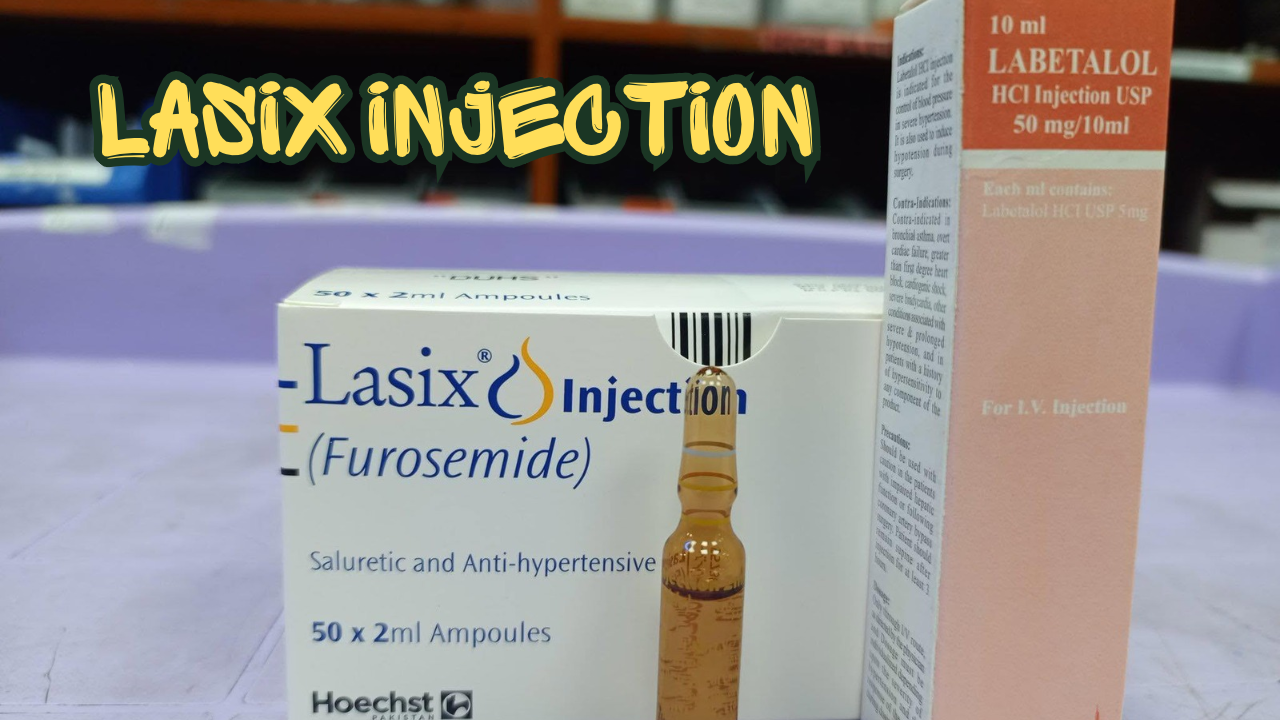
Lasix (furosemide) is a strong “water pill” that is used to remove excess fluid from the body. Families and patients need to know the primary uses of Lasix injection to understand why this rapid acting drug is used.
It is frequently used for swelling associated with heart, liver and kidney diseases. This article details its use, dosage, side effects, warnings and storage. It is just for education purposes only, always consult your doctor.
Brand Name, Generic Name & Pronunciation
Furosemide (say fyou-ROW-seh-mide) is the generic name that is commonly known as Lasix. It belongs to the class of drugs known as loop diuretics, or “water pills. It causes you to urinate more, in order to get rid of additional water and salt.
Clinical Uses: Common Lasix Injection Uses
Lasix is used by doctors to get rid of excess body water (edema). This fluid can accumulate as a result of heart failure, liver or kidney disease. It can help to relieve any difficulty breathing and swelling of the arms, legs, and belly when it is removed. Lasix is also used to treat high blood pressure, which also reduces the risk of strokes, heart attacks, and kidney issues.






Dosage and Administration
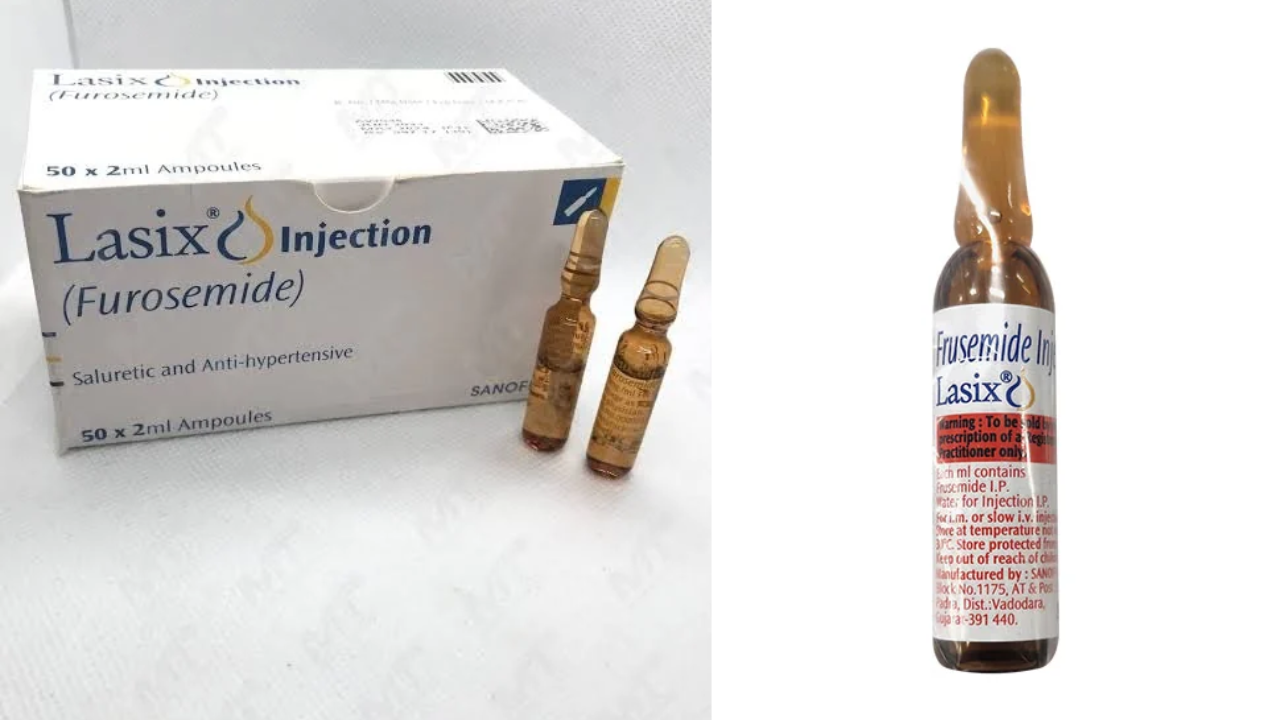
Lasix is available as a liquid for oral administration, tablet, and an injection (10 mg/mL). The dose will be based on the condition, age and response to the treatment. Children’s doses are weight based. A smaller dose is initially used for older people. Do not increase or decrease the dosage without your doctor’s caution.
Administration Notes and Missed Doses
Injection is administered by a health care provider. If you’re taking tablets or a liquid, take them at the same times every day and try not to take them within 4 hours of bedtime as you may find yourself awake in the night. You should take sucralfate, cholestyramine or colestipol at least 2 hours before and after taking Lasix, because they reduce the amount of the drug absorbed by your body. In case of missed dose, take it as soon as possible if not the next scheduled dose is near. Never double up.
Label Warnings
Lasix can make people dizzy and make it hard to see. Don’t spend too much time in the sun, and be careful operating machinery or vehicles.
Approved Uses (Indications)
Lasix’s uses include treating edema such as swelling caused by long-term heart failure and is approved by the FDA for this purpose. It is also used to treat fluid buildup (cirrhosis and kidney disease), high blood pressure, and fluid in the lungs (caused by heart failure). It is used off-label to treat high blood pressure following childbirth too.
Who Should Avoid Lasix?
Doctors do not generally use Lasix or are extra careful if individuals have:
- Having no urine output (anuria)
- Low blood volume or low blood pressure
- Low Potassium, Sodium, Chloride, Magnesium or Calcium
- Pancreatitis
Be careful if you have gout, heart attack in the past, diabetes, an enlarged prostate, hearing loss or lupus.
Side Effects
Common: Most often, blood pressure drops when they stand and may result in dizziness. Others are blurriness, cramps, headache, dry mouth, stomach pain, sensitivity to sunlight, and pain in the injection site.
Occasionally serious: low mineral content, dehydration, hearing loss/ringing in ears, pancreatitis, liver issues, extreme skin reactions, blood disorders. Seek medical attention for a rash, hearing loss or extreme laziness.
Drug Interactions
Never use Lasix in combination with desmopressin and ethacrynic acid. There is a risk of toxicity with lithium and sodium phosphate bowel preparation may be troublesome. Pain relievers like ibuprofen and naproxen may weaken Lasix. It also interacts with other medications such as ACE inhibitors, ARBs, aminoglycoside antibiotics, digoxin, and SGLT2 inhibitors. Lasix may affect some lab tests, too. Let your doctor and pharmacist know if you use any herbal products.
How Lasix Works
Lasix prevents the kidneys from absorbing salt and water back into the body, resulting in an increased output in urine. It begins to work within 5 minutes of IV injection, reaches peak levels in 20-60 minutes and remains effective for approximately 2 hours. The onset of tablets is around 30-60 minutes and the duration is 6-8 hours. It is not removed during dialysis.
Storage
Keep at room temperature (15-30°C) out of light and out of moist areas. Never use a yellow injection liquid. Avoid children and pets and don’t store them in the bathroom. Get rid of old medicine correctly.
FAQs
1. Does Lasix equal furosemide?
Yes. Lasix is a brand name and furosemide is a generic name. Both are the same type of loop diuretic that gets rid of excess water.
2.How quickly does the injection take place?
Urine output increases within 5 minutes after IV injection, peaks in 20-60 minutes and persists for about 2 hours. Tablets begin to work in 30 to 60 minutes and will work for 6 to 8 hours.
3. What are the common side effects?
Dizziness due to low blood pressure on standing is the most common. Some symptoms include cramps, headache, dry mouth and a blurred vision.
4.Who should not take Lasix?
It is not recommended for individuals who have none, minimal, or low urine output, low blood pressure, dehydration, or severe mineral deficiencies.
5. Does it pose a risk to pregnant women and elderly people?
Doctors observe blood tests to identify changes and react to blood pressure fluctuations in older adults, who are more susceptible to changes in mineral levels and blood pressure.
Read More: Common and Serious Side Effects of Lisinopril Explained


