Search Engine Optimization Meaning With Example: A Simple Guide
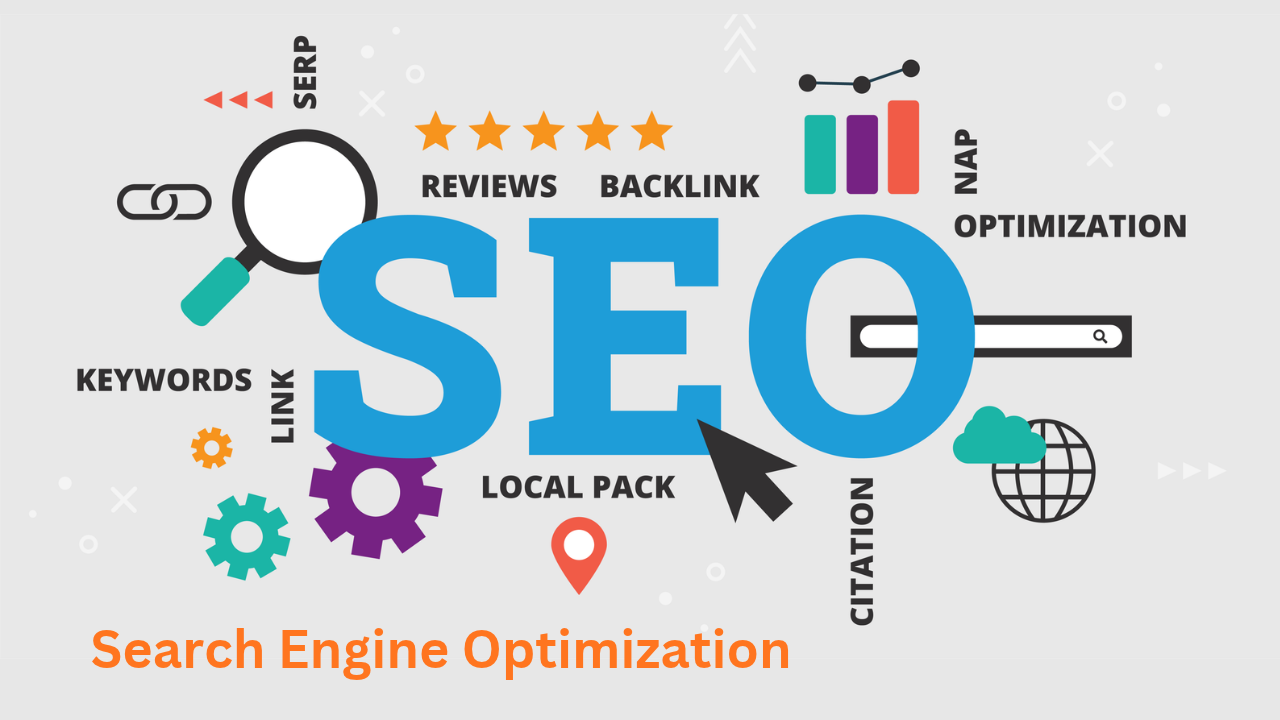
Search engines assist users to locate information, products, and services on the Internet. However, there are millions of websites out there, how will a website find the right audience? Therein lies the importance of search engine optimization (SEO).
SEO ensures that websites show up in the search results of those looking for them without the need to pay for each click. Learning the meaning of SEO with an example is helpful for people who are new to the field, bloggers, or business owners.
What Is Search Engine Optimization (SEO)?
SEO, or search engine optimization, is the process of optimizing a website to make it more visible in the results of a search engine that aren’t paid advertisements. These are the results that are seen in the organic search.
Google will show pages that can answer the question, for instance, if someone searches for “best running shoes for beginners”. The purpose of SEO is to ensure that website owners’ content is relevant, useful, and understandable to search engines.
The elements of SEO consist of enhancing website material, page titles, links, loading speed, and user experience. The aim is to enable search engines to comprehend and aid the visitors to get the desired information from the page. But, SEO doesn’t mean you can guarantee your position in search results.






Search Engine Optimization Meaning With Example
Suppose you have an online business in the running shoes industry. You want to get more traffic to your products via Google. Rather than just advertising, you create an informative article called “How to Pick the Best Running Shoes for novices.
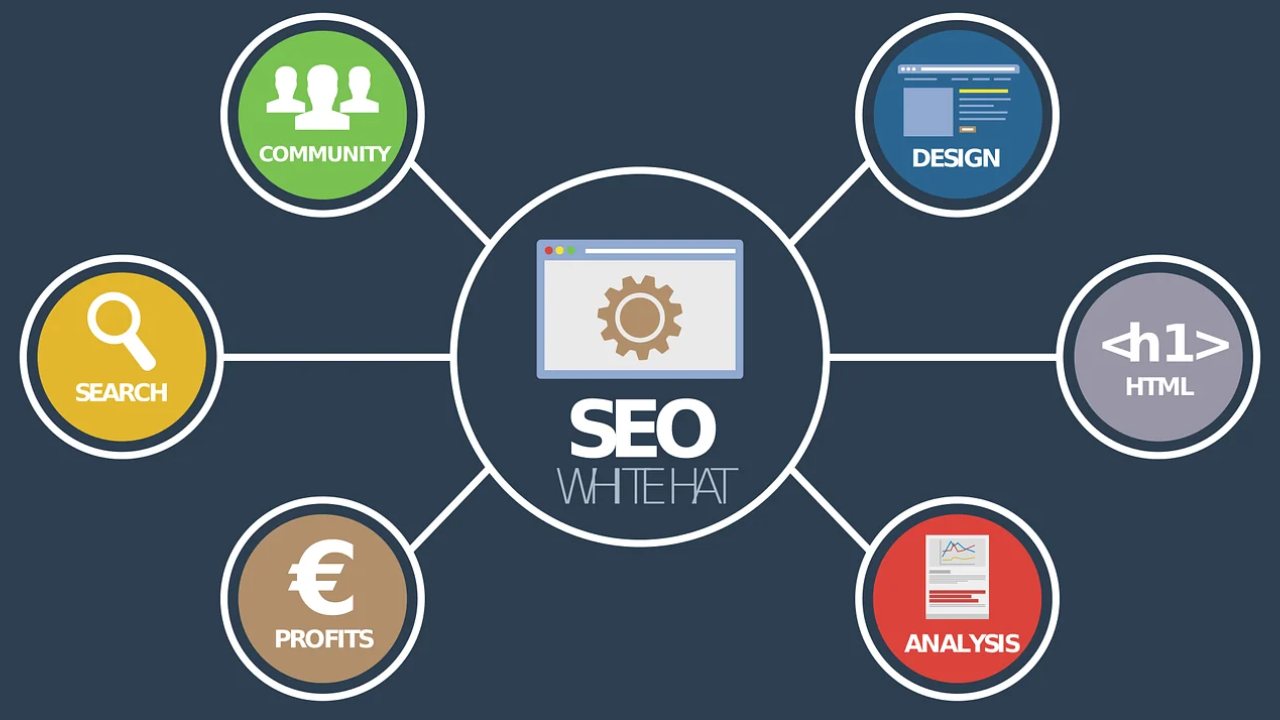
You describe the various types of shoes, explain about comfort, support and provide answers on common questions. You also employ a clear title, relevant keywords, appropriate images and links to appropriate products.
Your article could end up showing up in search results when someone is looking for tips on purchasing running shoes. If the content resonates with the individual, they may end up on your site and you might see visitors check out your products.
This is a real-life instance of SEO. You optimize your site to make it easier for people to find information that is relevant to them via search engines.
How Does SEO Work?
Any search engine primarily employs three processes to find and show the content of a website.
Crawlers: These are automated programs used by crawlers to find web pages. These programs follow links and come back to pages for new or updated information.
Indexing: Once a page is found, a search engine examines the content of the page and determines whether the page should be added into its index. The indexed pages may be viewed from the search result, but this does not ensure ranking.
Ranking: The search engine arranges it in sequence when a person does a search query, based on numerous factors. They can include the context of the search, the usability of the page, the quality of the content, and the relevance of the page.
The processes can be assisted by giving valuable information, establishing a well-designed navigation system, eliminating technical issues and optimizing important pages for search engines for the website owners.
What Are the Main Types of SEO?
SEO can be broken down into three categories: On page SEO, Off page SEO and Technical SEO. Both have a different impact on a website’s search results.
On-Page SEO
On page SEO means optimizing the factors of a website page. This means producing informative text, headings, optimizing page titles, providing appropriate internal links and alt text for images.
For instance, if you’re discussing running shoes, you should be clear about what you’re talking about and make sure to answer any questions that your audience might have. The keywords ought to appear in a natural way, not because they have to.
Off-Page SEO
Off-page SEO involves what you do to help your website’s reputation and visibility, but you don’t do on your website. Relevant backlinks from trusted websites are an example of what is important.
For example, a well-known fitness site could link to your running shoe guide as it offers handy advice. These connections can be beneficial for search engines to find and learn about the reputation of your content.
Technical SEO
Technical SEO is all about optimizing a site for it to be easier to crawl, index, and use. These tasks range from optimizing loading speed, making it mobile-friendly, fixing broken links, and structuring the website.
For instance, a website that is poorly designed for a mobile device may have a hard time being used by visitors to the site. Enhance the functionality of the website by providing a better mobile experience.
Why Is SEO Important for Businesses and Websites?
SEO is a way to bridge the gap between those in need and those looking for them in order to reach people that are already looking to find something of interest. Improved visibility can generate more targeted traffic to a website and result in improved opportunities for customer acquisition.
One advantage is that it doesn’t cost anything for every click with organic search traffic. But even SEO still requires a certain amount of time and resources for producing content, technical optimization, and monitoring performance.
SEO can also contribute to building trust by ensuring businesses deliver accurate information and enhance their website experience. For small businesses, informative content and local information can be valuable to help draw in local customers.
There are no guaranteed results and it does not happen instantly. The performance can be influenced by a myriad of reasons; competition, site quality, and search engine configuration play a significant part.
Final Word
Through SEO, people find useful websites using organic search results. Understanding the basics of search engine operation and enhancing content, web page layout, and user experience will form a solid base for beginners to build upon. Look out for the visitors’ benefit first, track your progress and make continuous improvements.
FAQs
1. What does SEO stand for?
Search Engine Optimization, or SEO, is a process used to optimize a website for search engines. It refers to enhancing a web page’s ranking on organic search engine results pages.
2. Can you give a simple example of SEO?
SEO is optimising a useful blog post to ensure that it shows up in the relevant Google searches.
3. Is SEO free?
Organic clicks are the clicks that do not require you to pay the search engines for them, but producing content and enhancing a website could be an expense.
5. What is the time frame for SEO?
SEO results vary. Competition and website conditions may cause it to take several months for there to be meaningful improvements.
5. Is SEO important for small businesses?
Yes. Small businesses can get people looking online for their products or services with SEO.
Read Also: Study Visa for Australia: Requirements, Fees and How to Apply